Designing your home is one of the most significant investments you will ever make. It is not just about aesthetics — it is about shaping the environment in which your everyday life unfolds.
Today, inspiration is everywhere. Social media platforms showcase perfectly styled interiors. Pinterest boards are filled with curated ideas. Show homes look flawless and effortless.
But what most homeowners don’t see is the level of interior design planning behind those finished results.
Before selecting colours, furniture, or finishes, there are essential considerations that determine whether your home will feel refined, functional, and timeless — or overwhelming and disjointed.
If you are about to begin your home interior design journey, this guide will help you approach it with clarity and confidence.
1. Start With a Realistic Interior Design Budget
One of the most important foundations of successful residential interior design is budgeting with intention.
A practical way to estimate your interior design budget is to relate it to your overall project value.
As a general guideline:
- For an independent house or villa, allocate approximately 15–20% of the total project cost toward interiors.
- For an apartment or non-independent home, allocating around 10% of the total project value toward interiors is typically reasonable.
These are not rigid rules, but structured starting points.
Why Independent Homes Require a Higher Allocation
Independent homes often involve:
- Larger built-up areas
- Custom staircase detailing
- More complex lighting plans
- Expanded storage requirements
- Greater carpentry scope
- Exterior considerations
Apartments typically involve fewer structural complexities, although thoughtful interior design planning remains equally important.
What Your Interior Budget Should Cover
Your interior design budget may include:
- Design and consultancy fees
- Space planning and technical drawings
- Carpentry and built-in storage
- Kitchen and wardrobe systems
- Electrical and lighting planning
- Material finishes
- Execution and supervision
Loose furniture, décor, and appliances may fall outside this scope depending on your project.
Always Keep a Contingency Buffer
Set aside an additional 10–15% contingency buffer. Adjustments during execution are common, and financial flexibility prevents unnecessary stress.
A well-planned interior design budget does not restrict creativity. It provides clarity — and clarity leads to better decisions.
2. Understand Your Lifestyle Before Designing
Luxury in home interior design is not defined by expensive finishes. It is defined by how well your home supports your daily life.
Before making design decisions, consider:
- Do you entertain guests often?
- Do you work from home?
- Do you require quiet zones?
- Do you prefer open layouts or defined rooms?
- How much storage do you realistically need?
A home designed purely for visual appeal may not function well for everyday living.
The most successful residential interior design projects begin with lifestyle mapping. When design is built around real routines, it feels natural rather than staged.
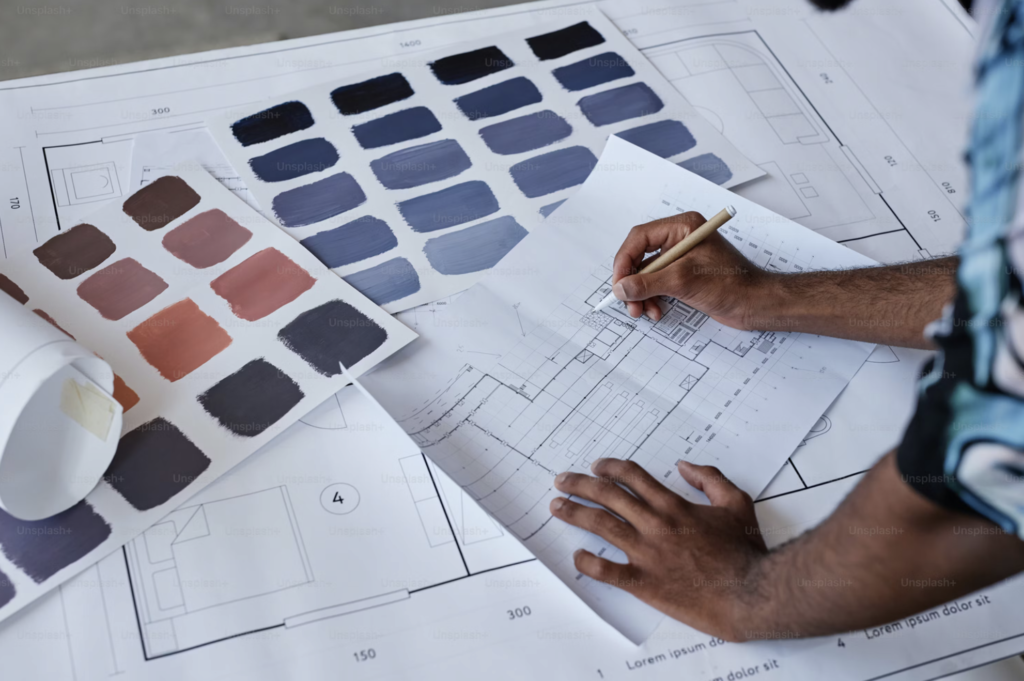
3. Layout Comes Before Aesthetics
One of the most common mistakes in home interior design is prioritising finishes before finalising layout.
The interior design process always begins with space planning.
Why Layout Is Crucial
A poorly planned layout can:
- Interrupt movement flow
- Reduce natural light distribution
- Make large spaces feel cramped
- Create awkward furniture arrangements
- Limit functionality
Effective layout planning considers:
- Circulation paths
- Furniture proportions
- Door and window positioning
- Functional zoning
- Visual balance
Good design should feel effortless. When movement flows naturally, the space becomes intuitive.
Before selecting materials or colours, ensure the layout supports your lifestyle.
4. Plan Storage Early — Not Later
Storage is one of the most underestimated components of residential interior design.
Clutter can diminish even the most refined space.
Thoughtful storage planning includes:
- Built-in wardrobes
- Modular kitchen organisation
- Concealed utility areas
- Vertical shelving
- Hidden compartments
Storage should be integrated during the interior design planning phase — not added afterward.
A well-designed home feels calm because it is organised.
Luxury is not excess. It is clarity and order.

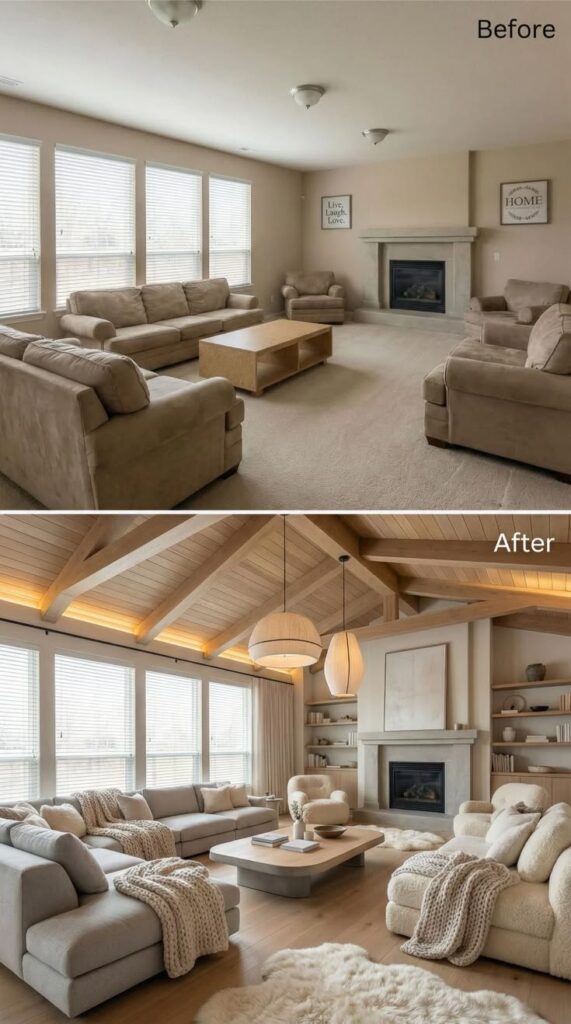
5. Lighting Is Not an Afterthought
Lighting dramatically influences how a home looks and feels.
A beautifully designed space can appear flat under poor lighting. Conversely, even minimal interiors feel elevated with layered lighting.
A strong lighting strategy includes:
Ambient Lighting
Provides general illumination.
Task Lighting
Supports specific activities such as cooking, reading, or working.
Accent Lighting
Highlights textures, architectural elements, and focal points.
Natural light must also be considered during planning. Window treatments, reflective surfaces, and layout orientation affect how daylight enters and moves through the space.
In premium interior design projects, lighting is planned early — not selected at the end.
6. Choose Materials With Longevity in Mind
Materials influence both aesthetic appeal and long-term durability.
When selecting finishes, consider:
- Maintenance requirements
- Wear resistance
- Climate suitability
- Ease of cleaning
- Aging quality
For example:
- Matte finishes often age more gracefully.
- Glossy finishes reflect light but may show marks easily.
- Veneers add warmth but require care.
- Laminates offer durability with variety.
High-end home interior design is not about choosing the most expensive material. It is about choosing the most appropriate one.
A cohesive material palette ensures your home feels refined rather than fragmented.
7. Trends Are Temporary — Foundations Should Be Timeless
Trends evolve rapidly.
While trend-driven design can feel exciting, structural decisions should prioritise longevity.
Timeless residential interior design focuses on:
- Neutral base palettes
- Balanced proportions
- Clean architectural lines
- Quality craftsmanship
- Understated elegance
You can introduce trends through décor, soft furnishings, and accessories — elements that are easy to update.
The foundation of your home should remain relevant for years.
8. Understand the Interior Design Process
Clarity in the interior design process prevents confusion during execution.
A structured process typically includes:
- Consultation and lifestyle assessment
- Space planning and layout development
- Concept design and mood boards
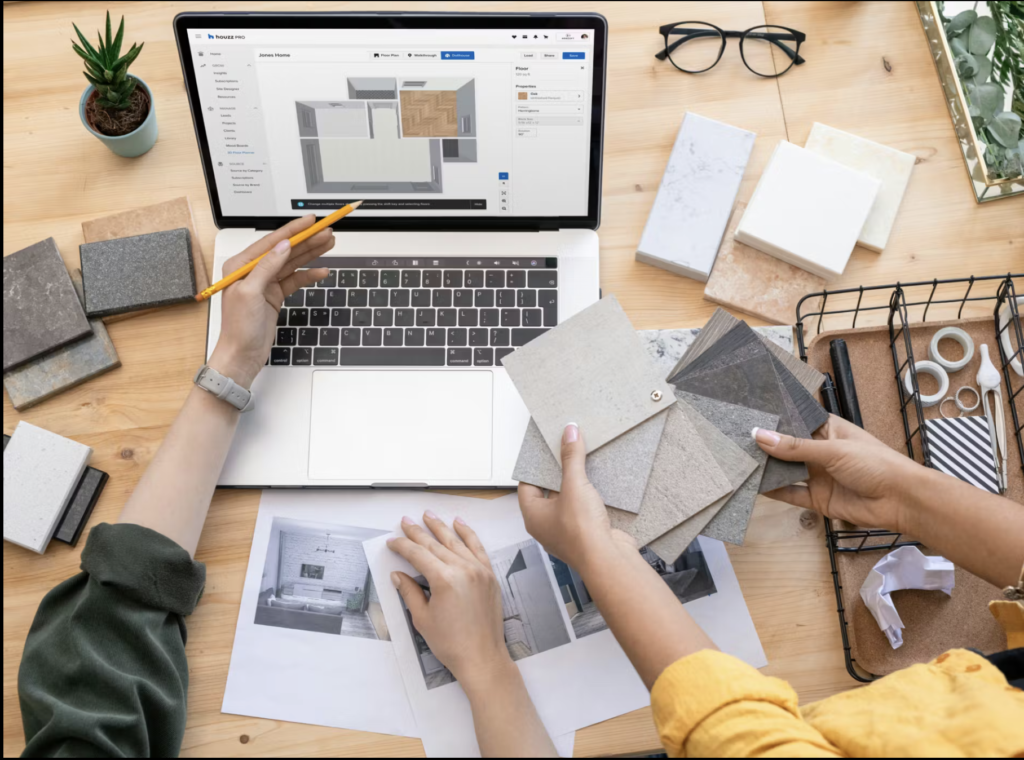
- Material and finish selection
- Detailed drawings and 3D visualisation
- Execution and site coordination
- Final review and handover
Whether you opt for design-only services or turnkey interior design, understanding the workflow ensures transparency and smoother timelines.
Interior design planning is methodical. When each phase is respected, outcomes are more predictable and refined.
9. Consider Professional Guidance
Interior design is often misunderstood as decoration. In reality, it requires coordination across technical, aesthetic, and financial dimensions.
Working with professionals ensures:
- Efficient space utilisation
- Electrical and plumbing coordination
- Accurate technical documentation
- Vendor and contractor management
- Quality control
Professional oversight minimises costly mistakes and protects your long-term investment.
A well-managed residential interior design project safeguards both your budget and your peace of mind.
10. Clarity at the Beginning Prevents Stress Later
Before commencing your project, ensure that you have:
- A realistic interior design budget
- Clearly defined priorities
- A documented scope of work
- Agreed timelines
- Confirmed material selections
Interior design is not a rushed process. It is a structured journey.
When planning is deliberate, execution becomes smoother and outcomes more satisfying.
Final Thoughts
Designing your home is more than a visual upgrade. It is about creating a space that aligns with your lifestyle, values, and long-term vision.
A well-designed home balances:
- Function and beauty
- Comfort and elegance
- Simplicity and personality
When budgeting is realistic, layout is intentional, materials are selected carefully, and lighting is layered thoughtfully, your home becomes an experience — not just a structure.
Luxury is not about excess. It is about balance.
At Studio VIII, we approach home interior design with clarity, harmony, and purpose — creating spaces that feel refined, functional, and deeply personal.
Thoughtful design begins long before the first material is selected.